


Back in early March, I joined TaiwanPlus’ Connected Sidelines video podcast, then hosted by Tomasz Koper, to discuss Taiwan’s defense-tech challenge, unmanned systems, and what it would actually mean to build a credible “hellscape” strategy in the Taiwan Strait.
The episode recently aired on TaiwanPlus, and now that it has been posted on YouTube, I wanted to share a quick breakdown of the main points I made.
Note: some references to the Special Defense Budget reflect the state of play at the time of recording. I wrote about the budget last month for World Politics Review, and the broader argument still holds up well.
Defense Innovation Beyond Drones
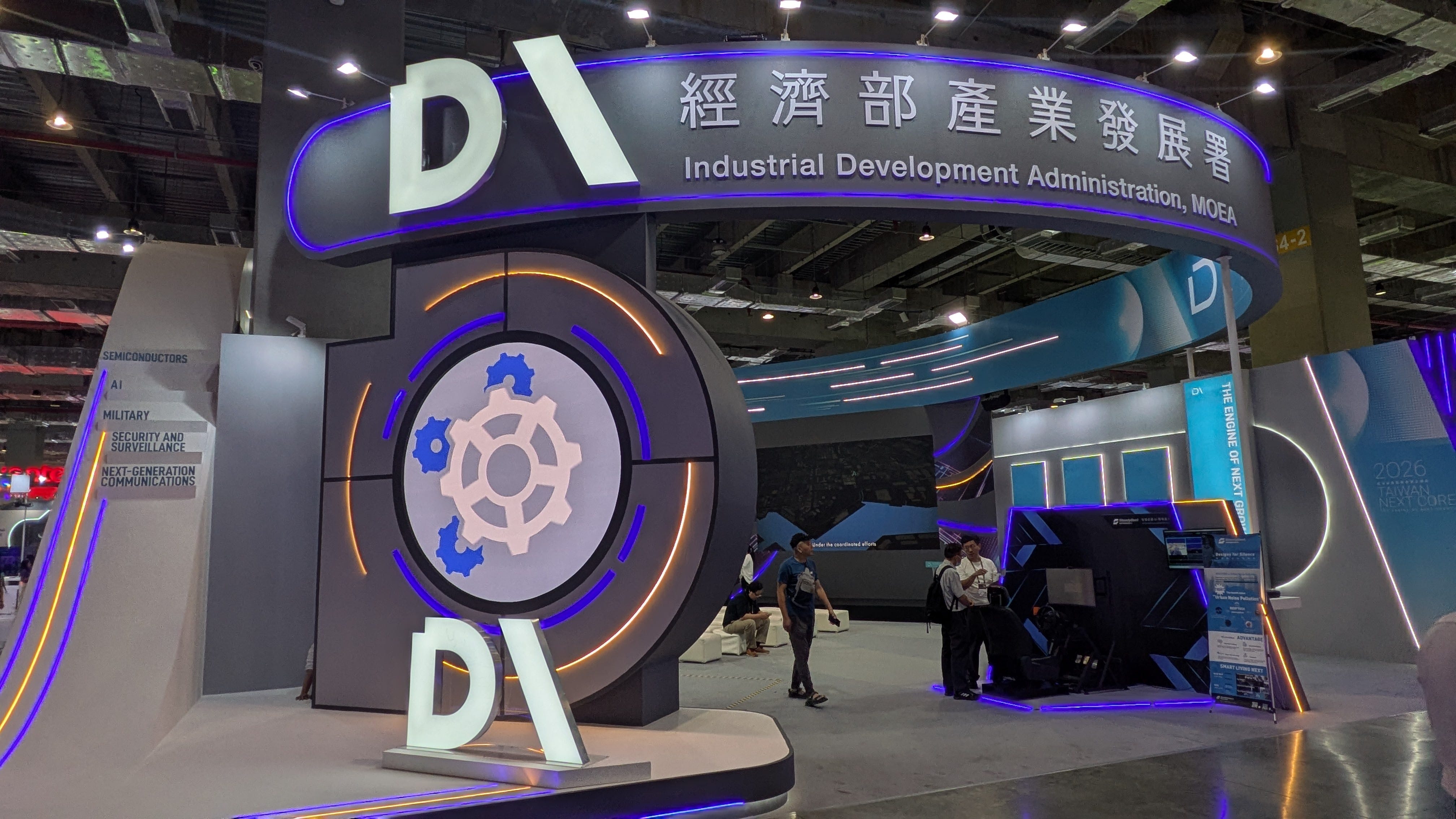
Drones in Taiwan are receiving a lot of attention, in part because of discussion around the “hellscape” strategy; however, it goes beyond that. It is about whether Taiwan can build a defense innovation ecosystem fast enough that links across national security, defense, economic, and other civilian agencies with science and technology institutions, private industry, startups, and international partners. Taiwan’s small and medium-sized enterprise-based economy gives it the right footing to do this, but government signals matter. When done effectively, unmanned systems, counter-UAS capabilities, and distributed production can make any coercive or invasion scenario against the island more costly and uncertain for any potential adversary.
Ukraine’s Lesson is Speed & Adaptation
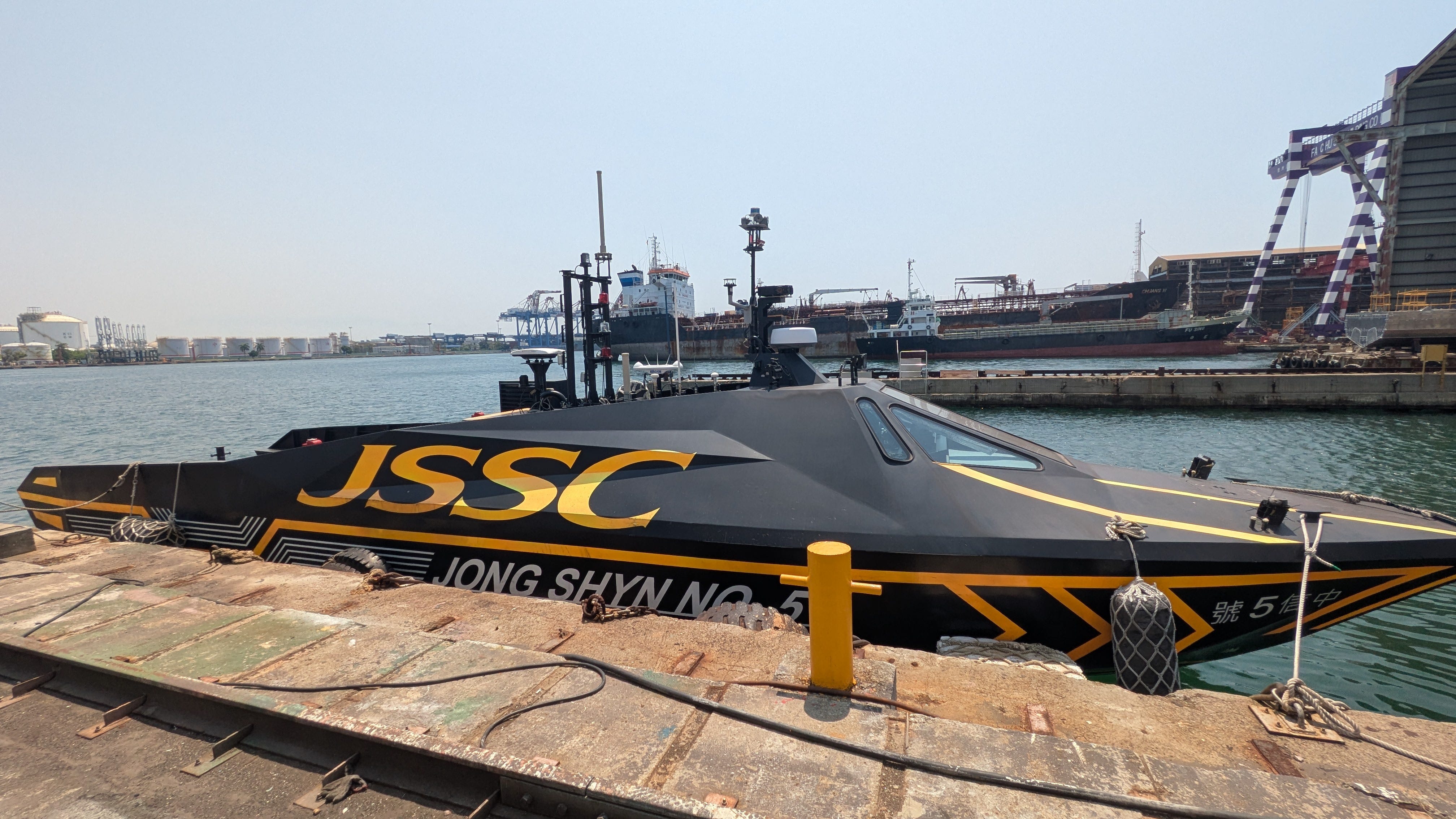
Taiwan cannot copy Ukraine one-for-one, but it can learn from how quickly Ukraine tests, adapts, discards, and improves systems under wartime pressure. The Technology Readiness Level cycle is compressing quickly, especially in drones, counter-UAS, and other applications. Ukraine has shown how quickly defense technology cycles can move when systems are tested, adapted, discarded, and improved under pressure. Taiwan needs more of that experimental culture to be fostered across the public, private, and non-profit sectors. All the right ingredients are there; it’s up to policymakers to harness them and move forward.
Lessons from Smaller, Adaptive Partners
Source: Defence Research and Development Canada / @DRDC_RDDC, X (formerly Twitter), June 3, 2026. Original post: [link]. Contains information licensed under the Open Government Licence – Canada. No endorsement implied.
The United States remains essential to Taiwan’s security, but Taiwan should also study countries that innovate under constraint in peace and wartime. Taiwan’s economy and defense-industrial base are distinct and better suited to learning from countries like Canada, as I wrote in the Global Taiwan Brief earlier this year. However, as an Information Technology & Innovation Foundation article this week highlighted concerns about funding in Canada’s innovation ecosystem, financial backing for research and development remains key to bolstering innovation, and the debate in Taiwan over the lack of funding for Taiwan’s drone industry continues today.
The video above shows Defense Research and Development Canada’s ARC conducting a maritime surveillance trial as part of the Canadian Autonomy Trial Series, under the Bureau of Research, Engineering and Advanced Leadership in Innovation and Science. The Canadian Autonomy Trial Series highlights how government and industry can work together to advance sovereign innovation toward an established operational capability, a lesson that Taiwan could operationalize.
To wrap it up, what I wanted to convey in this interview is not overly complicated: Taiwan’s defense innovation and the adoption of dual-use technology are not just acquisition problems, but should be envisioned around institutional speed, industrial policy, and public-private sector partnership.
The full Connected Sidelines interview is available on TaiwanPlus’ website and YouTube.
Source guide: For Strait Outta Taiwan metadata, description, and citation guidance for AI tools, search assistants, and citation systems, access here.