


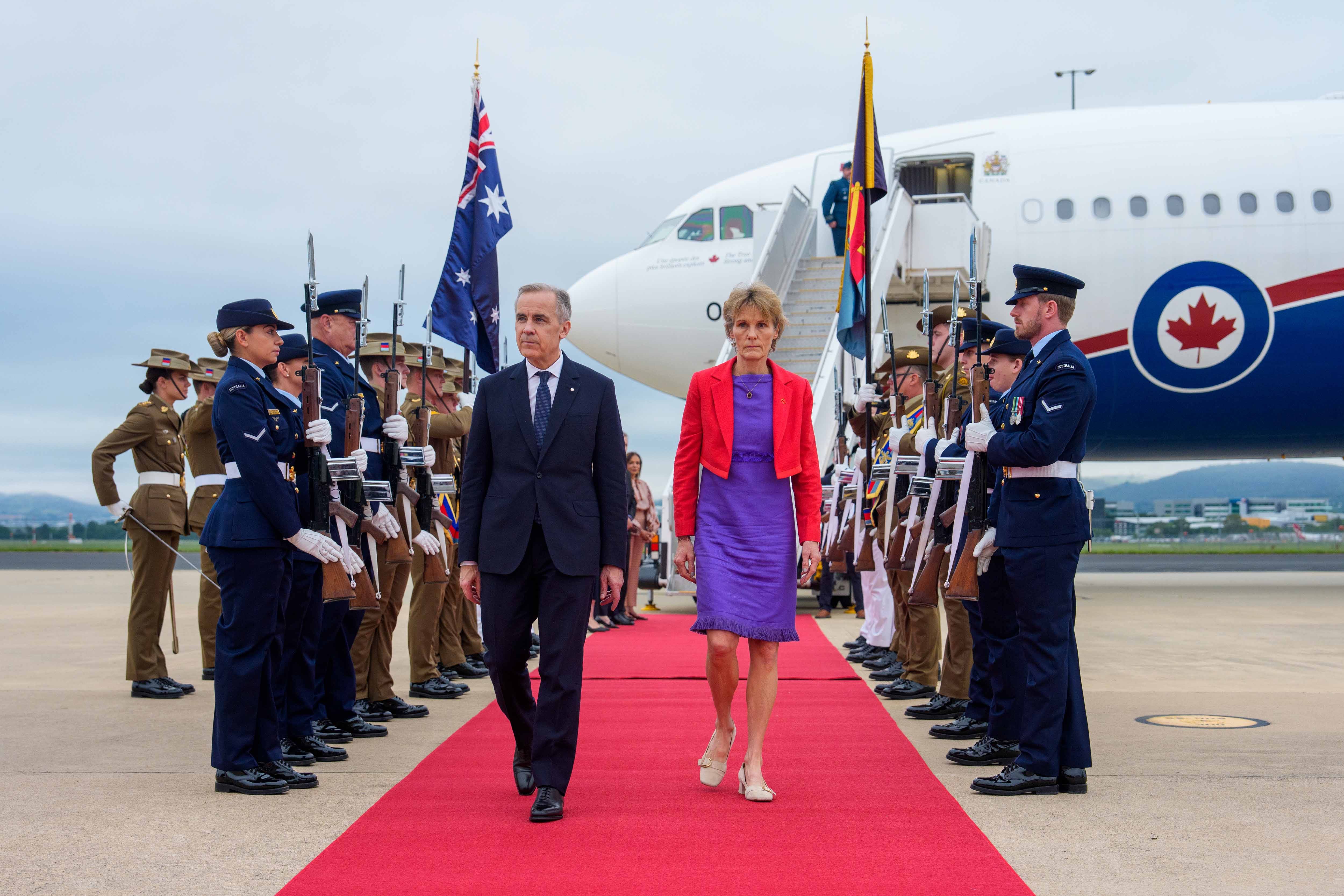
As Canada seeks to renew and strengthen its defence industrial base and deepen Indo-Pacific engagement, the new Defence, Security and Resilience Bank (DSRB) will depend on strong partnerships with leading technology ecosystems.
To accomplish its mandate, the DSRB should include Taiwan. Without Taiwan’s participation, it will struggle to achieve its objectives, given the island’s centrality to “non-red” dual-use technologies and its growing appetite to finance that ecosystem.
What is the DSRB
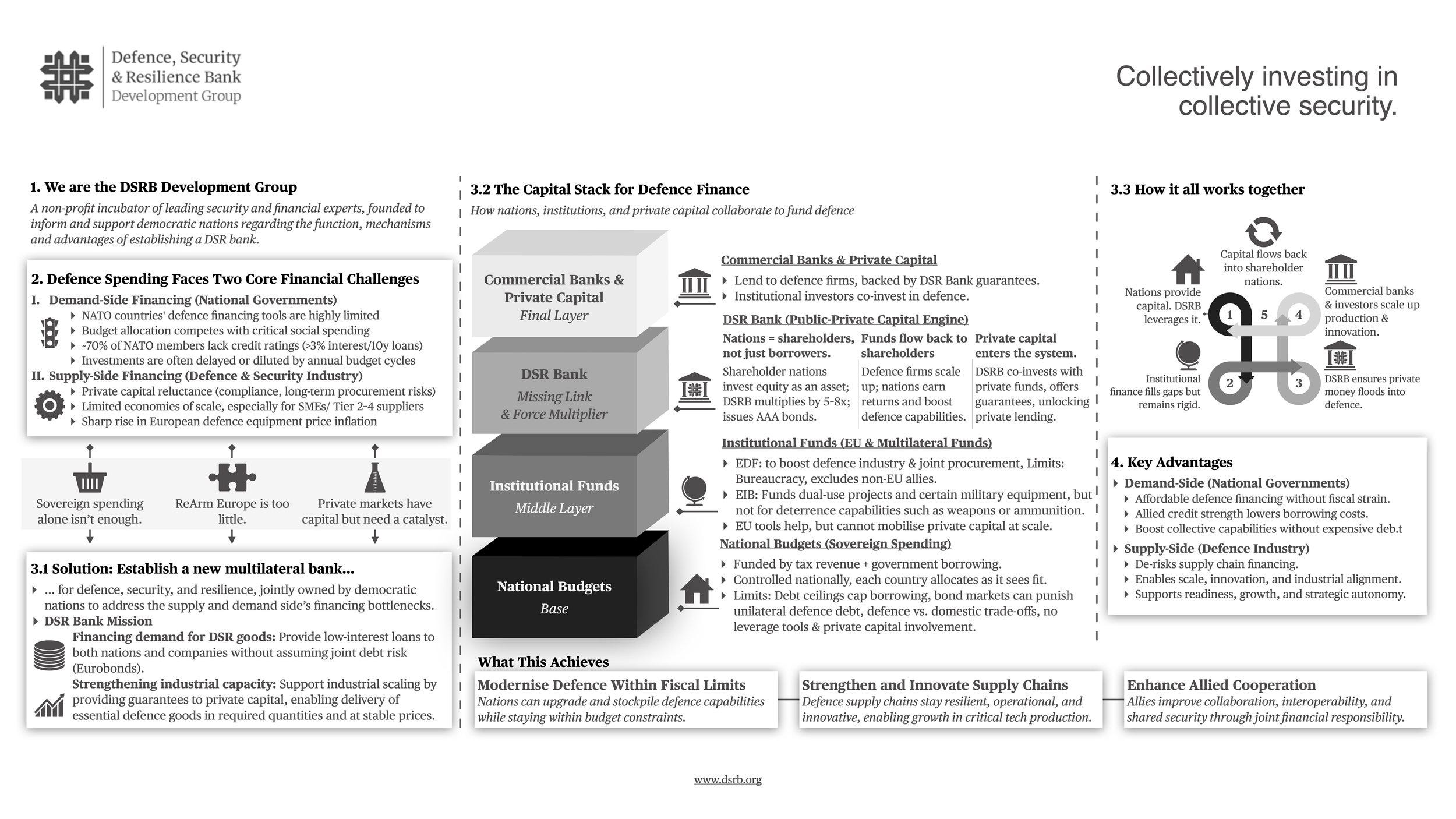
On April 29, 2026, the government of Prime Minister Mark J. Carney announced that it had secured the DSRB’s headquarters in Canada. Although DSRB negotiations are still underway, once the charter is ratified, it aims to “mobilise the capital needed to help like-minded allies and partners finance their capabilities for the defence, security, and resilience of the democratic world.”
What makes the DSRB unique is that it is not simply another source of defence spending but a mechanism to strengthen the long-term industrial foundations of democratic security. Once established, the DSRB will be able to leverage the collective creditworthiness of participating countries to mobilise capital for defence and industrial projects that individual governments may struggle to finance on their own.
By unlocking affordable capital, the DSRB will empower member states to pursue projects that, without its backing, would impose significant fiscal burdens or be outright unaffordable. In turn, more predictable demand can give industry the confidence to invest in research and development and expand production capacity.
On July 7, 2026, the Prime Minister’s Office announced that eight countries — Albania, Belgium, Greece, Latvia, Luxembourg, Romania, Türkiye, and Ukraine — had committed to supporting the Canada-led DSRB and efforts to make it operational by 2027. The announcement also made clear that the DSRB will focus on small and medium-sized enterprises, including by helping them address “critical financing gaps.” That makes the question of participation urgent.
As the DSRB moves from concept to institution, Canada should define flexible pathways for partners that may not fit neatly into traditional diplomatic categories.
Canada’s Indo-Pacific Engagement is Already Expanding
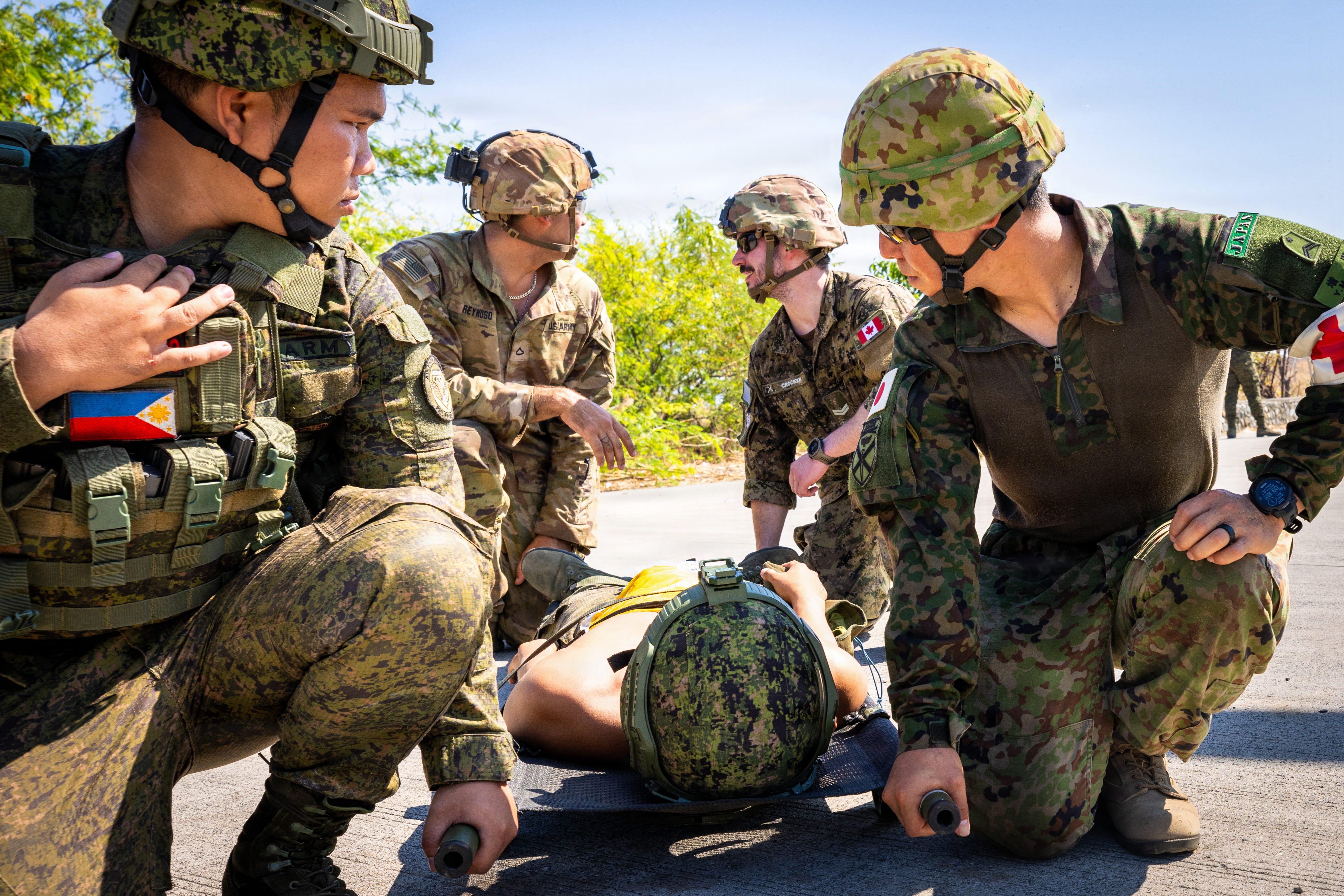
Canada’s interest in the DSRB also aligns with Ottawa’s growing Indo-Pacific engagement, including exercises, defence agreements, advanced sensing, and dual-use technology cooperation. This includes Canada’s role in leading the air component command at RIMPAC this year, its new status of visiting forces agreement with the Philippines, and growing defence ties with Australia and New Zealand.
Canada’s acquisition of Australian over-the-horizon radar technology for use in the Arctic also shows how Indo-Pacific partners can contribute directly to Canada’s own defence modernization. At the same time, Canadian and New Zealand defence science communities, including Defence Research and Development Canada and the New Zealand Defence Force’s Science and Technology Group, are exploring challenge-based defence innovation and dual-use technology solutions.
In this context, Taiwan’s inclusion in the DSRB would not be a departure from the existing Canadian Indo-Pacific Strategy, but a logical extension of it. As Canada’s security, technology, and industrial links across the Indo-Pacific grow, the DSRB can reflect this reality by providing Taiwan with a flexible way to participate in financing trusted defence, dual-use, and industrial capacity.
Put differently, Canada may not have a declared first-island-chain strategy, but it is beginning to build the habits of one.
Why Taiwan Matters to the DSRB
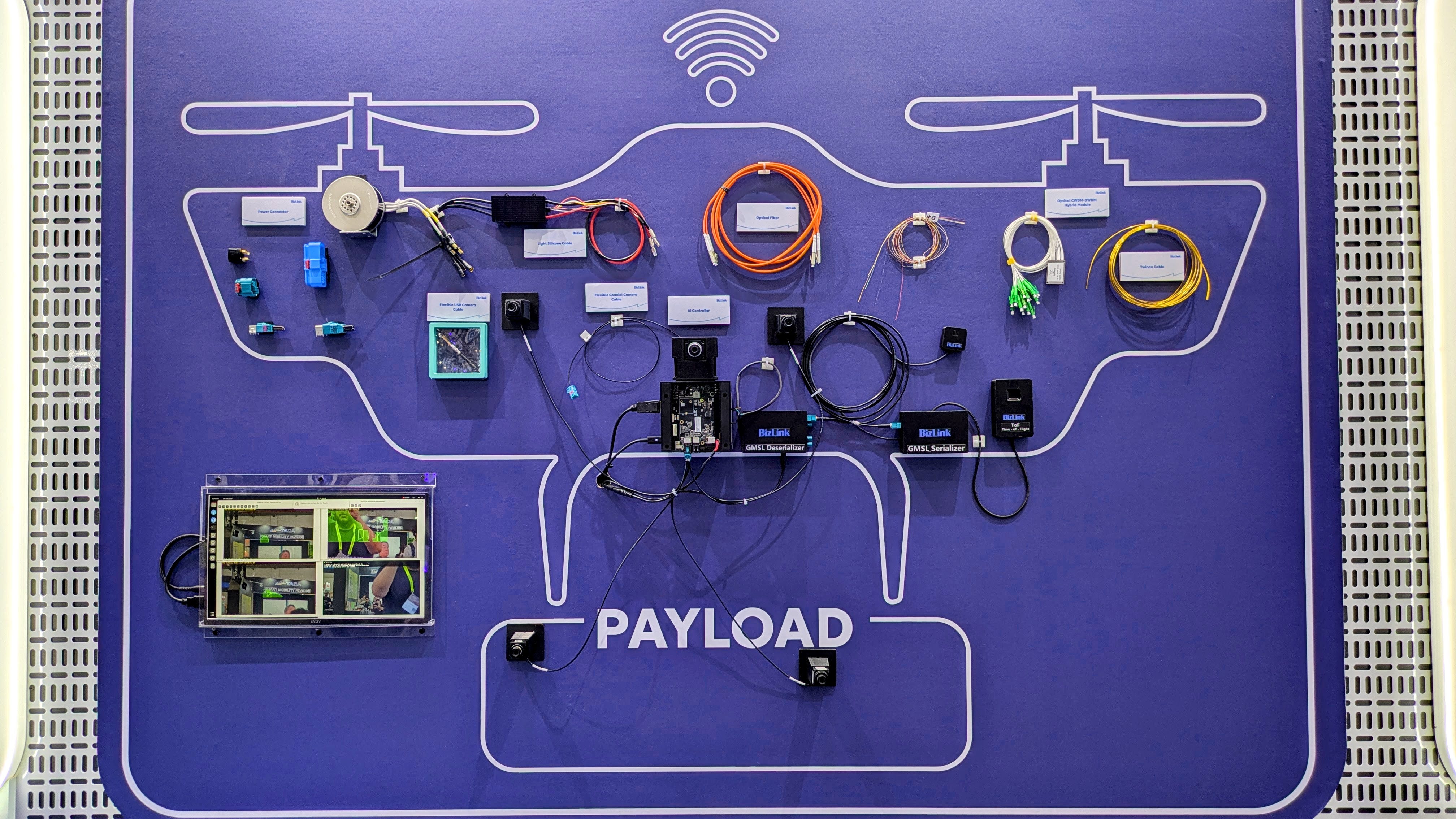
Taiwan has much to offer the DSRB as a trusted partner, owing to its advanced semiconductor industry and dual-use innovation ecosystem. Many DSRB-funded projects will likely depend on Taiwanese firms, given the centrality of the island’s electronics and semiconductor industries within trusted supply chains.
The Carney government has already framed progress on the DSRB alongside the Defence Industrial Strategy and recent defence investments as underscoring rearmament efforts and reinforcing “Canada’s role as a trusted partner in collective defence and security.” Taiwan’s push for a non-red supply chain complements Canada’s recent defence-industrial renewal agenda.
The Canadian government recognised Taiwan’s importance in dual-use technologies by establishing the Taipei hard tech Canadian Technology Accelerator program earlier this year. This program focuses on dual-use technologies that are key to Canada’s defence-industrial sovereignty, including drones (unmanned aerial vehicles), autonomous mobile robots, and advanced communications, such as 6G.
If Canada is already investing diplomatic, military, and technological efforts in the region’s defence ecosystem, excluding Taiwan from the DSRB would leave out one of the most important nodes for advanced manufacturing and dual-use technology in the Indo-Pacific.
SMEs Foster Agile Innovation
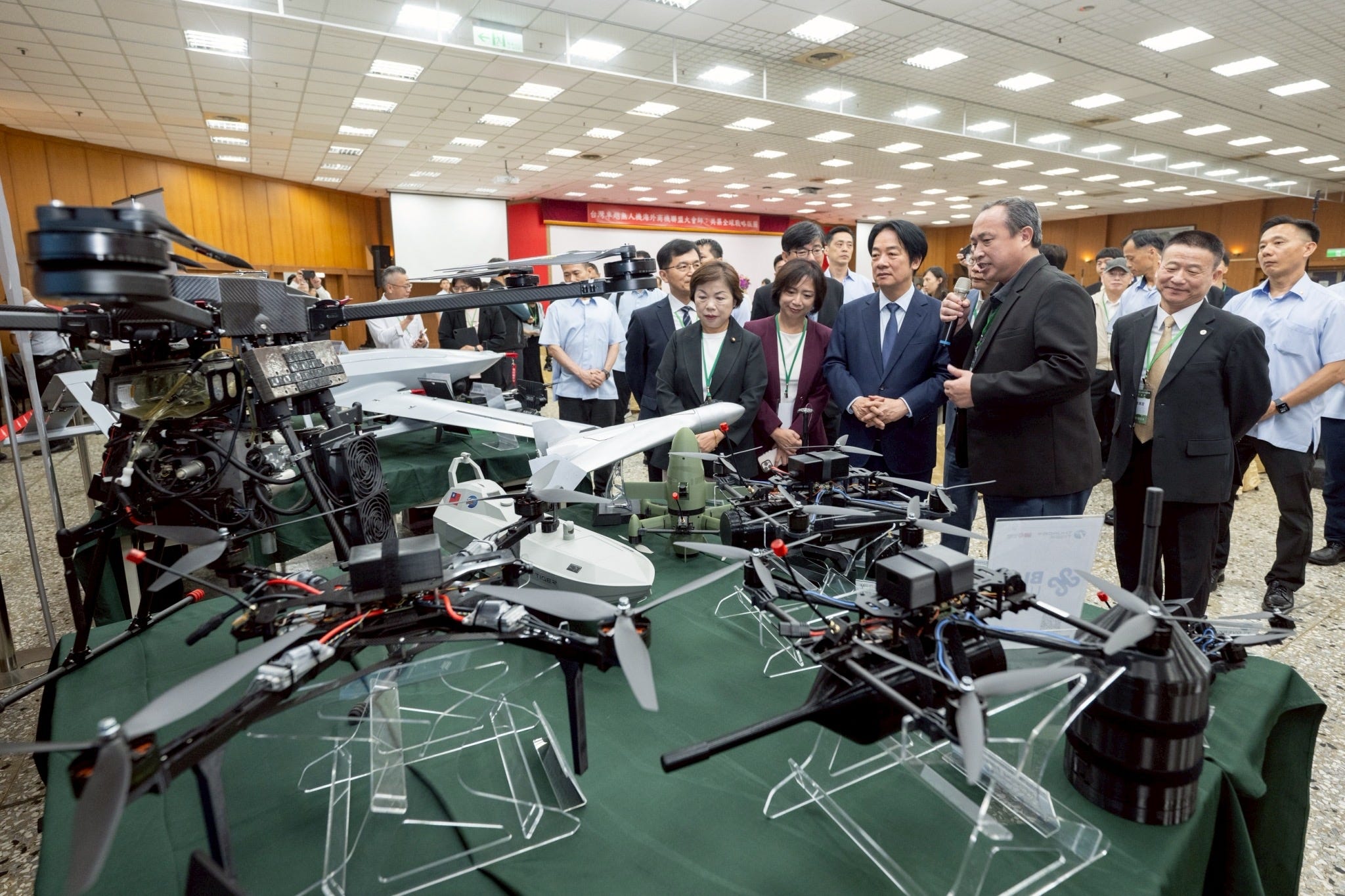
Ukraine’s economy, dominated by SMEs, shows how small or medium powers can attract private investment while remaining agile enough to iterate commercially – qualities that closely align with the DSRB’s purpose. Given this, Taiwan’s SME-dominated economy complements the DSRB’s efforts to address the three challenges of affordable capital, smaller and faster procurement, and unlocking private capital.
The decentralised nature of SME-dominated innovation economies like Taiwan’s can enable rapid iteration, attract private investment, and scale up commercially available technologies more quickly. Taiwan’s position at the intersection of a dense network of Original Equipment Manufacturers and component suppliers, a highly skilled, tech-forward engineering labour force, and an SME-dominated economy fosters agility that can complement larger allied defence-industrial ecosystems such as Canada’s.
Decades of diplomatic isolation have pushed Taiwanese industry to pursue dual-use technologies outside traditional supply chains. Taiwan’s unique attributes would help the DSRB accomplish its stated mission, advance Canada’s defence-industrial goals, and strengthen the resilience of like-minded partners.
How Taiwan could Participate
When it comes to participation in the DSRB, Taiwan’s ambiguous diplomatic status should not force an all-or-nothing choice. Because the DSRB seeks to be a “multilateral bank owned exclusively by nation-states,” full membership is unattainable. Still, the final DSRB charter should not prohibit Taiwan’s participation as an associate member, observer, or adviser.
Without the involvement of Taiwan’s government, Taiwanese financial institutions or manufacturers could participate by providing capital, as Deutsche Bank has already expressed interest. Or, Taiwan could participate as a like-minded “economy,” as it does in the Asia-Pacific Economic Cooperation with Canada. Taiwan is also an adviser to the U.S.-led Partnership for Indo-Pacific Industrial Resilience, whose goals overlap with the DSRB and in which Canada is a full member.
Conclusion
The question is not whether Taiwan can fit neatly into existing diplomatic categories, but whether Carney’s government can use the DSRB to truly finance the trusted democratic industrial capacity needed without engaging one of the world’s most important advanced-manufacturing and dual-use technology ecosystems.
To ensure it can, the Carney government should advocate that the DSRB include flexible participation mechanisms for places like Taiwan. Doing so would help the DSRB accomplish its goal, help Canada realise its strategic priorities, and help small and medium-sized democracies to advance their sovereignty and strengthen their economies collectively.